
What Is Social Media Marketing and Why Is It Important?
Introduction
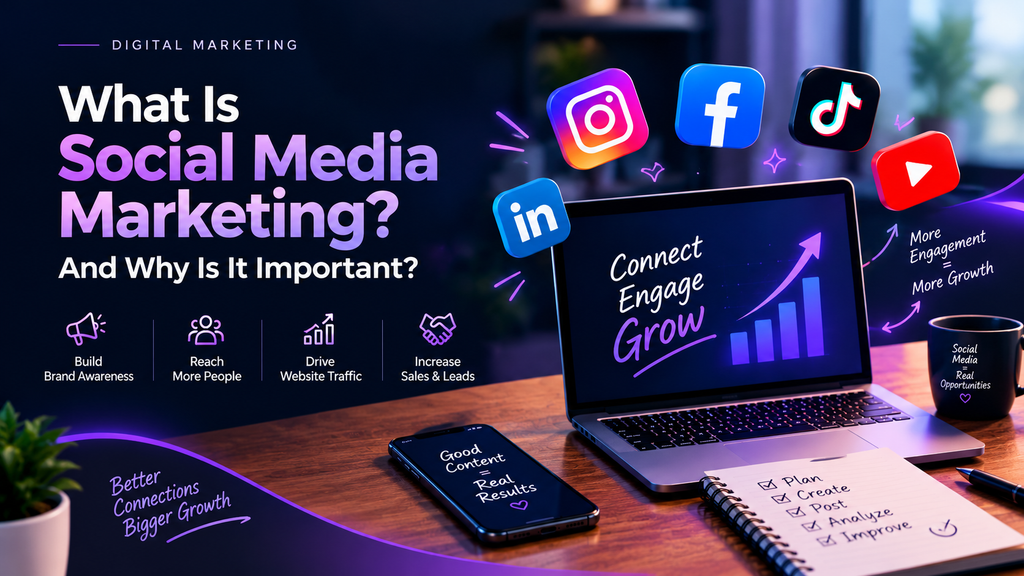
I explain What What Is Social Media Marketing is on my blog .In today’s digital world, social media has become an important part of our daily lives. People use platforms such as Instagram, Facebook, YouTube, LinkedIn, and TikTok to communicate, share information, watch videos, and discover new products. Businesses also use these platforms to connect with customers and promote their products and services. This strategy is known as social media marketing.
Social media marketinghttps://www.investopedia.com/terms/s/social-media-marketing-smm.asp helps businesses build brand awareness, reach new audiences, increase website traffic, and improve customer relationships. Whether a business is small or large, social media provides opportunities to grow online and compete in the digital marketplace. In this blog, we will explore what social media marketing is, why it is important, its benefits, and how businesses can use it effectively.
What Is Social Media Marketing?
What Is Social Media Marketing.Social media marketing is the process of using social media platforms to promote a business, product, service, or personal brand. It includes creating and sharing posts, images, videos, stories, reels, advertisements, and other content to attract and engage an audience.
For example, a clothing shop can post pictures of its latest collection on Instagram, while a restaurant can share food videos on Facebook. A digital marketing agency can publish SEO tips on LinkedIn to attract potential clients.
Social media marketing includes both organic marketing and paid advertising. Organic marketing involves publishing content without paying for advertising placement. Paid social media marketing involves spending money to show advertisements to selected audiences.
The main goal is to connect with the right people, provide useful content, build trust, and encourage actions such as visiting a website, contacting a business, or making a purchase.
Why Is Social Media Marketing Important?
Social media marketing is important because it helps businesses communicate directly with their target audience. Customers can discover brands, ask questions, share feedback, and learn about products through social media.
Here are some major reasons why social media marketing matters.
1. Increases Brand Awareness
Brand awareness means how familiar people are with a business or brand. Social media helps businesses introduce themselves to new audiences through regular posts, videos, stories, and advertisements.
When a business consistently shares useful and interesting content, more people may recognize its name, logo, products, and services. For example, a small bakery can post pictures of cakes and special offers to help local customers discover its products.
Strong brand awareness can help a business stay in customers’ minds when they need a particular product or service.
2. Reaches a Larger Audience
Social media platforms allow businesses to connect with people across different locations and communities. A business is not limited to reaching only people who visit its physical shop or website.
By using relevant hashtags, engaging content, location tags, and targeted advertising, businesses can introduce their products to potential customers who may not have discovered them otherwise.
For example, an online clothing store can use Instagram to reach people interested in fashion. A local restaurant can use location-based content to connect with people living nearby.
3. Helps Build Customer Relationships
What Is Social Media Marketing.Social media provides a simple way for businesses to communicate with customers. People can comment on posts, send direct messages, ask questions, and share their experiences.
When businesses respond politely and quickly, customers may feel valued and supported. This can improve customer satisfaction and help build long-term relationships.
For example, a customer may ask about delivery charges through Facebook Messenger. A helpful response can make it easier for that customer to decide whether to place an order.
4. Supports Website Traffic
Social media can help bring visitors to a business website. Businesses can share links to blog posts, product pages, service pages, landing pages, and online stores.
For example, a digital marketing website can publish an Instagram post explaining SEO basics and encourage readers to visit its website for a complete guide.
More relevant website visitors can create opportunities for enquiries, subscriptions, and sales. However, success depends on the quality of the content, the audience, and the website experience.
5. Cost-Effective Marketing
Social media marketing can be an affordable option, especially for small businesses and beginners. Most major platforms allow users to create business profiles and publish organic content without paying for every post.
Businesses can begin with simple photos, short videos, educational posts, and customer testimonials. Paid advertising can be added later when there is a clear goal and suitable budget.
Although organic posting is free, creating content requires time and effort. Paid advertisements also require careful planning to achieve worthwhile results.
6. Helps Increase Sales and Leads
Social media can support sales by introducing products, explaining their benefits, answering customer questions, and directing interested people to a purchase page.
For example, a skincare brand can share product demonstrations, customer reviews, and educational videos. Interested viewers may visit the online store to learn more or make a purchase.
Businesses can also use lead generation campaigns to collect enquiries from people interested in their services. The results depend on factors such as product quality, pricing, audience targeting, and customer trust.
7. Provides Valuable Audience Insights
Many social media platforms provide analytics that help businesses understand how their content performs. These insights may include reach, impressions, likes, comments, shares, video views, link clicks, and follower growth.
By reviewing these results, businesses can identify which types of content attract attention and which posts encourage meaningful engagement.
For example, if short educational videos receive more engagement than ordinary text posts, a business may decide to create more videos. This helps marketers make decisions based on performance rather than guesswork.
Popular Social Media Platforms for Marketing
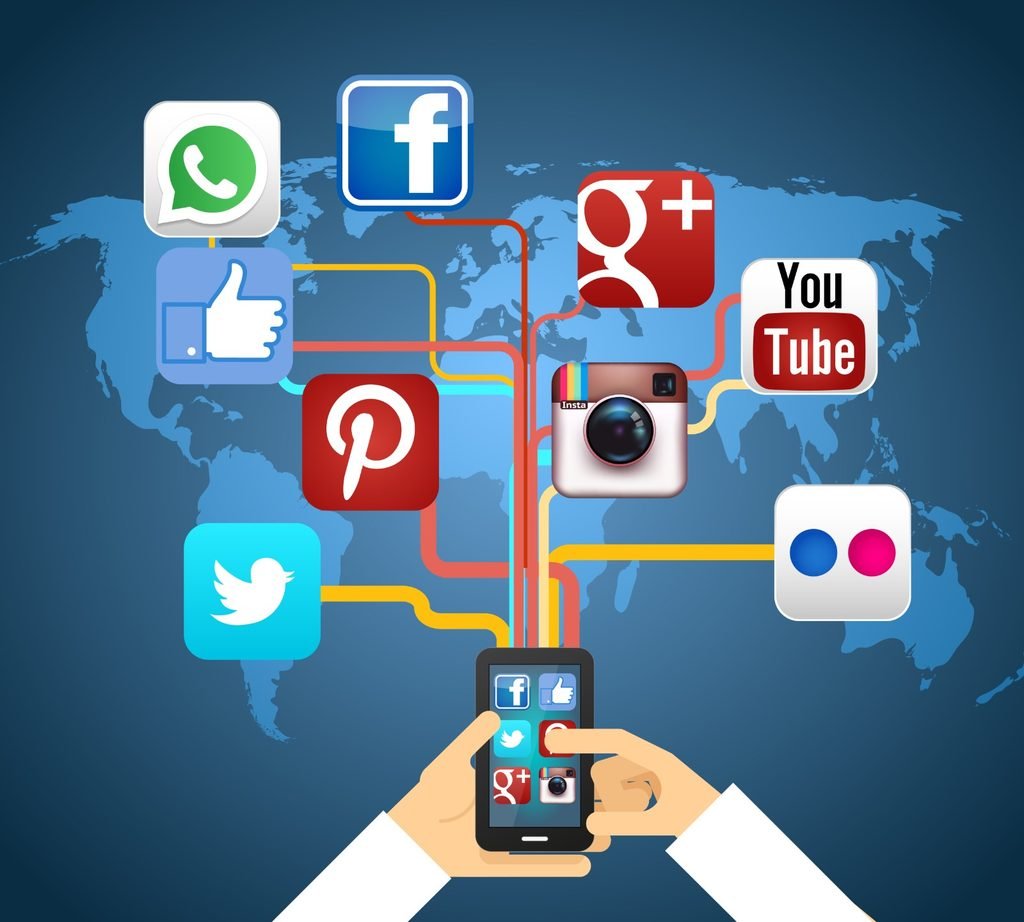
Different platforms support different marketing goals. Choosing the right platform depends on the business, its audience, and the type of content it can create.
- Instagram: Useful for visual content, reels, stories, product promotion, and creator partnerships.
- Facebook: Suitable for community engagement, business updates, local promotion, and advertising.
- YouTube: Helps businesses publish tutorials, product demonstrations, reviews, and educational videos.
- LinkedIn: Ideal for professional networking, business-to-business marketing, and sharing industry knowledge.
- TikTok: Supports short-form video content and creative ways to introduce products and brands, where available.
- Pinterest: Useful for visual discovery, including fashion, home design, recipes, and other interest-based topics.
Businesses do not need to use every platform. It is often better to focus on the platforms where their target audience is most active.
How to Create an Effective Social Media Marketing Strategy
A successful social media strategy begins with clear goals and consistent action. Businesses can follow these steps to improve their marketing efforts.
Step 1: Set clear goals. Decide whether the main objective is brand awareness, website traffic, engagement, lead generation, or sales.
Step 2: Understand your target audience. Learn about your potential customers’ interests, needs, age groups, locations, and online habits.
Step 3: Choose the right platforms. Select platforms that match your audience and business goals.
Step 4: Create valuable content. Share educational posts, entertaining videos, product information, customer stories, and helpful tips.
Step 5: Follow a content calendar. Plan posts in advance to maintain consistency and organize your marketing activities.
Step 6: Engage with your audience. Respond to comments and messages, answer questions, and encourage genuine conversations.
Step 7: Measure performance. Review analytics regularly and improve your strategy based on the results.
Following these steps helps businesses create a more organized and effective social media presence.
Common Social Media Marketing Mistakes to Avoid
Although social media offers many opportunities, some mistakes can reduce marketing effectiveness.
- Posting content without a clear purpose.
- Promoting products in every post without providing value.
- Ignoring customer comments and messages.
- Publishing inconsistently.
- Buying fake followers or engagement.
- Using the same content on every platform without adapting it.
- Focusing only on likes instead of meaningful business results.
Businesses should focus on building genuine relationships, creating useful content, and measuring progress against their goals.
If you want Social Media Marketing Service , Contact Me
Conclusion
Social media marketing is an important part of modern digital marketing. It helps businesses increase brand awareness, reach potential customers, build relationships, drive website traffic, generate leads, and support sales. It also gives businesses useful insights into audience interests and content performance.
However, successful social media marketing requires more than simply posting pictures or videos. Businesses need clear goals, a good understanding of their audience, valuable content, regular engagement, and continuous improvement.
Whether you are a student learning digital marketing, a small business owner, or a professional building an online presence, understanding social media marketing can help you develop valuable skills and achieve better results online. Start with the right platform, share content that helps your audience, and build your brand one post at a time.